The development of cultivated meat has attracted significant attention in recent years as an innovative approach to producing animal protein with potential environmental and ethical benefits. As the technology advances towards commercial availability, it becomes essential for consumers to understand the current state of cultivated meat, the challenges it faces, and what to expect in the near future.
Scientific advancements in cultivated meat production
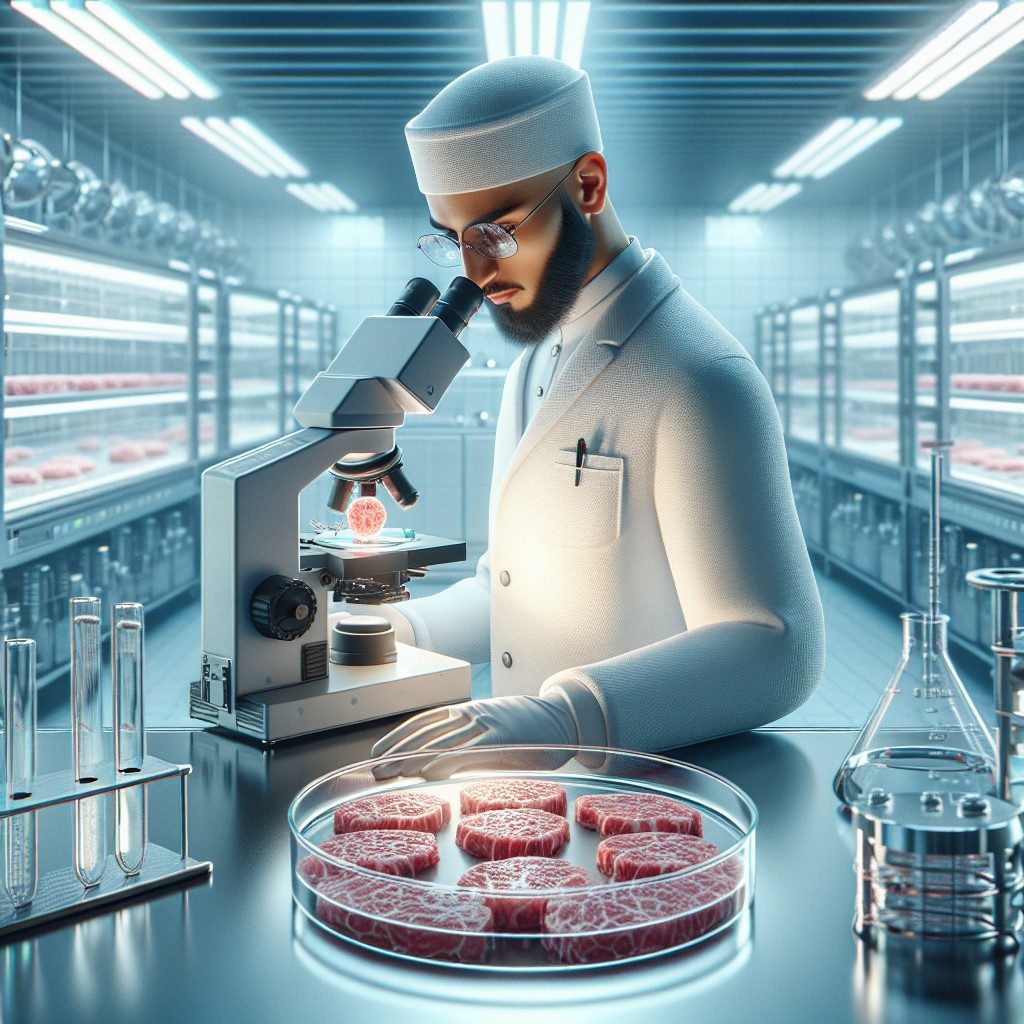
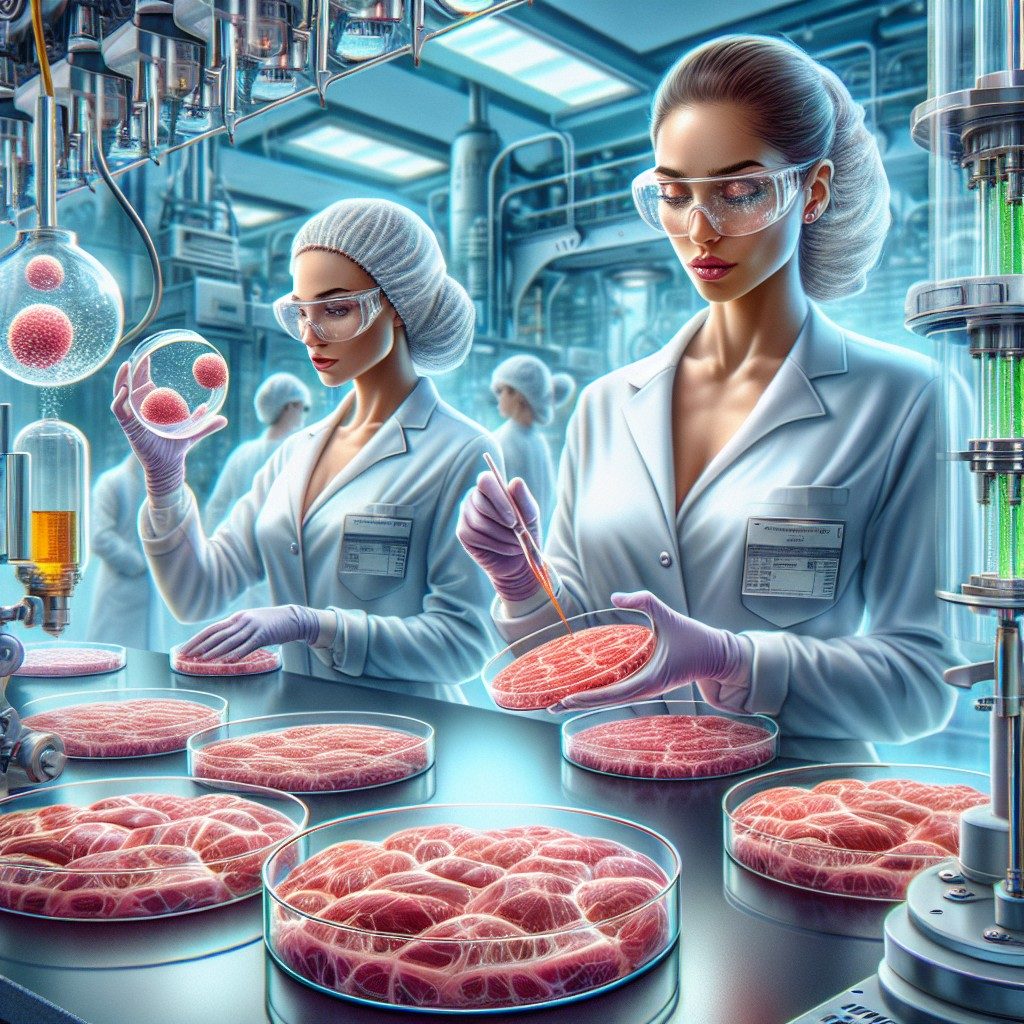
Cultivated meat involves growing animal cells in a controlled environment to create meat products without raising or slaughtering animals. Recent years have seen considerable technological progress in cell culture techniques, scaffold materials that support cell growth, and bioreactor designs that enable large-scale production. Improvements in media formulation have reduced reliance on animal-derived serum, lowering costs and ethical concerns. These advancements have allowed some companies to produce cultivated meat that closely mimics the texture, taste, and nutritional profile of traditional meat, edging closer to market readiness.
Regulatory landscape and safety assessments
The regulatory environment for cultivated meat is evolving as governments develop frameworks to ensure product safety and labeling accuracy. Singapore became a pioneer in approving cultivated meat products for sale, setting standards that other countries are beginning to adopt or adapt. Regulatory agencies require rigorous safety testing of the cell lines used, production processes, and final products to assess potential risks such as contamination or unintended alterations. Transparency and independent verification remain critical components in building consumer trust and enabling global market access.
Environmental and ethical implications
One of the main drivers behind the development of cultivated meat is its potential to reduce the environmental footprint associated with conventional livestock farming. Research indicates that cultivated meat production could significantly lower greenhouse gas emissions, water usage, and land requirements. Additionally, cultivated meat offers an ethical alternative by eliminating the need for animal slaughter and addressing concerns related to animal welfare. Despite these benefits, some environmentalists emphasize evaluating the full lifecycle impacts and energy consumption of cultivation systems before drawing definitive conclusions.
Consumer perception and market acceptance
Public attitudes toward cultivated meat are gradually shifting as awareness of sustainability and animal welfare issues grows. Surveys reveal a cautious openness among potential consumers, though acceptance varies based on cultural background, familiarity with biotechnology, and perceived naturalness of the product. Effective communication regarding the production process, safety, taste quality, and pricing will be crucial in encouraging wider acceptance. Experts suggest that initial market entry might focus on niche segments such as environmentally conscious consumers before a broader rollout.
Economic factors and industry outlook
The cultivated meat industry is experiencing rapid investment growth, with startups securing significant funding to scale production and reduce costs. Economies of scale, improvements in cell culture efficiency, and supply chain development are expected to lower prices over time. However, cultivated meat is still generally more expensive to produce than traditional meat, which may affect initial market competitiveness. Industry analysts predict that cultivated meat could represent a considerable share of the global protein market by 2040, particularly if regulatory and consumer acceptance hurdles are successfully navigated. Moreover, partnerships between cultivated meat companies and established food corporations are emerging as a strategic route to mainstreaming the product.
The ongoing evolution of cultivated meat technology offers promising solutions to environmental and ethical challenges posed by conventional meat production. While scientific and regulatory progress has been encouraging, consumers should stay informed about product safety, environmental impacts, and market developments as cultivated meat approaches wider availability. Continued transparent communication and careful evaluation will help ensure that this innovation contributes positively to the future of food.
Frequently Asked Questions about cultivated meat
What is cultivated meat and how is it produced?
Cultivated meat is produced by growing animal muscle cells in a laboratory environment using cell culture techniques, eliminating the need to raise and slaughter animals.
Is cultivated meat safe to eat?
Regulatory bodies require thorough safety assessments of cultivated meat products, and approved products undergo rigorous testing to ensure they are safe for consumer consumption.
How does cultivated meat impact the environment compared to conventional meat?
Studies suggest that cultivated meat potentially uses less land and water and produces fewer greenhouse gas emissions than conventional livestock farming.
Will cultivated meat taste the same as traditional meat?
Advancements in technology have enabled cultivated meat to closely replicate the texture and flavor of traditional meat, although taste perception may vary among consumers.
When will cultivated meat be widely available in the market?
While limited products have already entered select markets, widespread commercial availability depends on regulatory approvals, cost reductions, and consumer acceptance, which could take several years.